Korean Bibimbap
Highlighted under: Traditional Cooking
A colorful and nutritious Korean rice bowl topped with assorted vegetables, meat, and a fried egg, served with a spicy gochujang sauce.
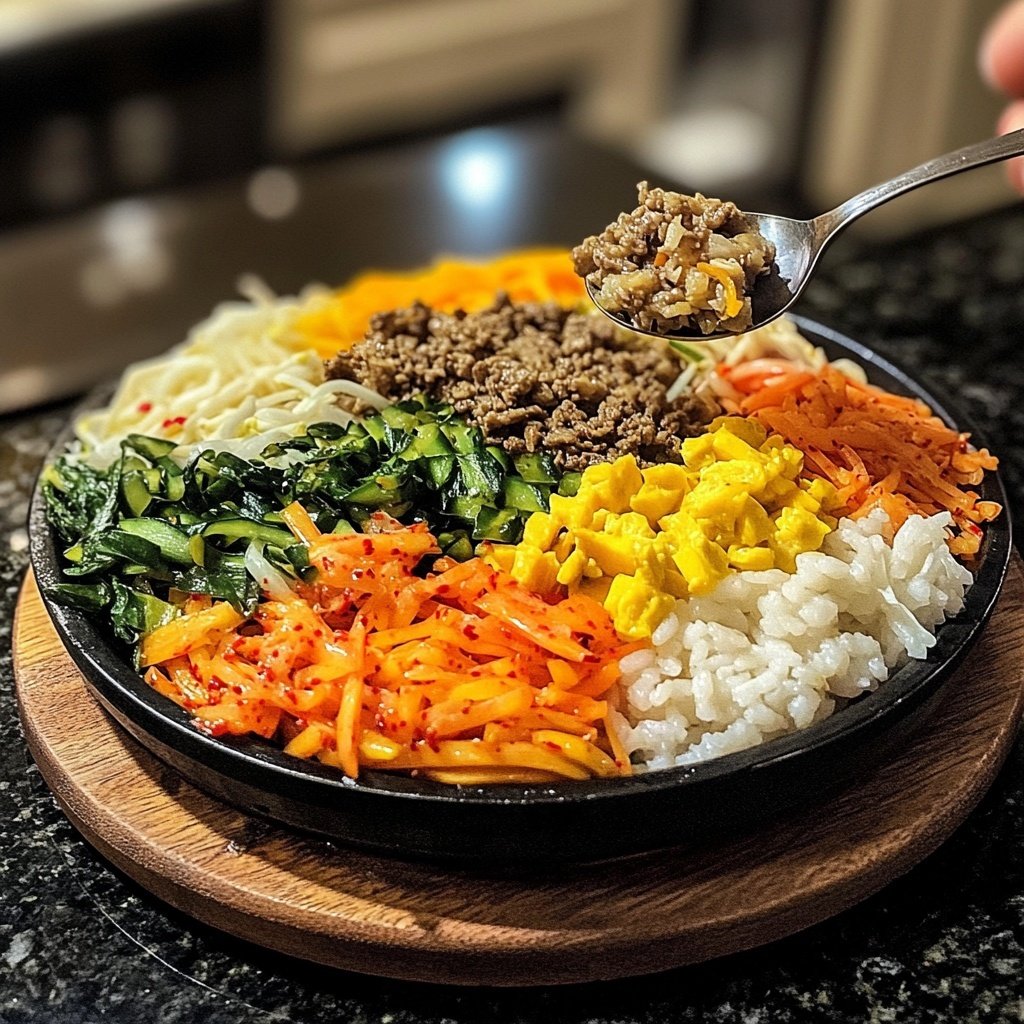
Korean Bibimbap is a vibrant dish that combines various textures and flavors, making it a feast for both the eyes and the palate. This traditional dish is not only delicious but also packed with nutrients from the fresh vegetables and protein from the meat and egg.
Why You'll Love This Recipe
- A harmonious blend of flavors and textures
- Customizable with your favorite vegetables and proteins
- Fun to assemble and visually appealing
A Nutritional Powerhouse
Bibimbap is not just a feast for the eyes; it's also a nutritional powerhouse. Packed with a variety of vegetables like spinach, carrots, and zucchini, this dish is loaded with vitamins and minerals essential for maintaining good health. Each ingredient contributes its unique benefits, providing fiber, antioxidants, and essential nutrients. This makes bibimbap an excellent option for those looking to enhance their diet with wholesome ingredients.
The combination of protein from the ground beef and the eggs adds to the dish's nutritional profile, making it a balanced meal. With a healthy mix of carbohydrates from the rice and healthy fats from sesame oil, bibimbap offers sustained energy throughout the day, making it a perfect choice for lunch or dinner.
Customizable to Your Taste
One of the best aspects of bibimbap is its versatility. You can easily customize it to suit your taste preferences or dietary needs. Whether you're a meat lover or a vegetarian, you can interchange the protein sources—try tofu, chicken, or even tempeh for a plant-based option. Additionally, feel free to experiment with different vegetables based on what's in season or what you have on hand.
This dish invites creativity, so don’t hesitate to add your favorite toppings like avocado or kimchi. The beauty of bibimbap lies in its adaptability, making it a fun and engaging meal to prepare and enjoy with family and friends.
Perfect for Meal Prep
Bibimbap is an excellent choice for meal prepping. You can prepare each component in advance and store them separately in the refrigerator. This allows you to assemble your bibimbap quickly during busy weekdays. Cooked rice and sautéed vegetables can last several days, and the flavors actually deepen over time, enhancing the overall taste.
When you're ready to eat, simply reheat the rice and vegetables, fry a fresh egg, and assemble your bowl. This makes bibimbap not only a nutritious choice but also a convenient one, perfect for those who want to eat healthily without spending too much time in the kitchen.
Ingredients
Gather all your ingredients before you start cooking to make the process smoother.
For the Bibimbap
- 2 cups cooked white rice
- 1 cup spinach, blanched and squeezed dry
- 1 cup bean sprouts, blanched
- 1 carrot, julienned
- 1 zucchini, julienned
- 1 cup mushrooms, sliced
- 1/2 pound ground beef
- 4 eggs
- 2 tablespoons sesame oil
- Gochujang (Korean chili paste) to taste
- Sesame seeds for garnish
- Green onions, sliced for garnish
Feel free to experiment with different vegetables and proteins to make this dish your own!
Instructions
Make sure to prepare all your ingredients and have your workspace organized for a smooth cooking experience.
Prepare the Rice
Cook the white rice according to package instructions. Set aside and keep warm.
Cook the Vegetables
In a skillet, heat sesame oil over medium heat. Sauté the carrots and zucchini until tender, then add mushrooms. Season with salt and cook until all vegetables are cooked through. Set aside.
Cook the Beef
In the same skillet, add the ground beef and cook until browned. Season with salt and pepper to taste. Drain excess fat and set aside.
Fry the Eggs
Fry the eggs sunny-side up in a separate pan, keeping the yolks runny.
Assemble the Bibimbap
In a bowl, place a portion of rice and arrange the cooked vegetables, beef, and a fried egg on top. Drizzle with gochujang and sprinkle with sesame seeds and green onions.
Mix everything together before eating for a delightful explosion of flavors!
Pro Tips
- For a vegetarian version, substitute the ground beef with tofu or additional vegetables.
Serving Suggestions
To elevate your bibimbap experience, consider serving it with a side of kimchi or pickled vegetables. These fermented accompaniments are not only delicious but also add a probiotic boost to your meal. Another great addition is a refreshing cucumber salad, which can complement the rich flavors of the bibimbap beautifully.
For those who enjoy a bit of heat, a sprinkle of gochugaru (Korean red pepper flakes) can enhance the dish's flavor profile. Pair your bibimbap with a light, chilled beverage like barley tea or a crisp Korean beer for the perfect dining experience.
Storage Tips
If you have leftovers, store each component separately to maintain freshness. Place the rice in an airtight container and refrigerate, and do the same for the vegetables and meat. This way, you can enjoy your bibimbap again without compromising on taste or texture.
When reheating, avoid using the microwave for the vegetables, as this can make them mushy. Instead, consider lightly sautéing them in a pan for a few minutes to restore their original texture. Bibimbap can be enjoyed warm or at room temperature, making it a versatile meal option.
Questions About Recipes
→ Can I make Bibimbap in advance?
Yes, you can prepare the vegetables and beef in advance. Just assemble before serving.
→ What can I substitute for gochujang?
You can use a mix of red pepper flakes and miso for a similar flavor, but it won't be exactly the same.
→ Is Bibimbap gluten-free?
Yes, as long as you use gluten-free soy sauce or tamari for seasoning.
→ Can I use brown rice instead of white rice?
Absolutely! Brown rice can add a nutty flavor and more fiber.
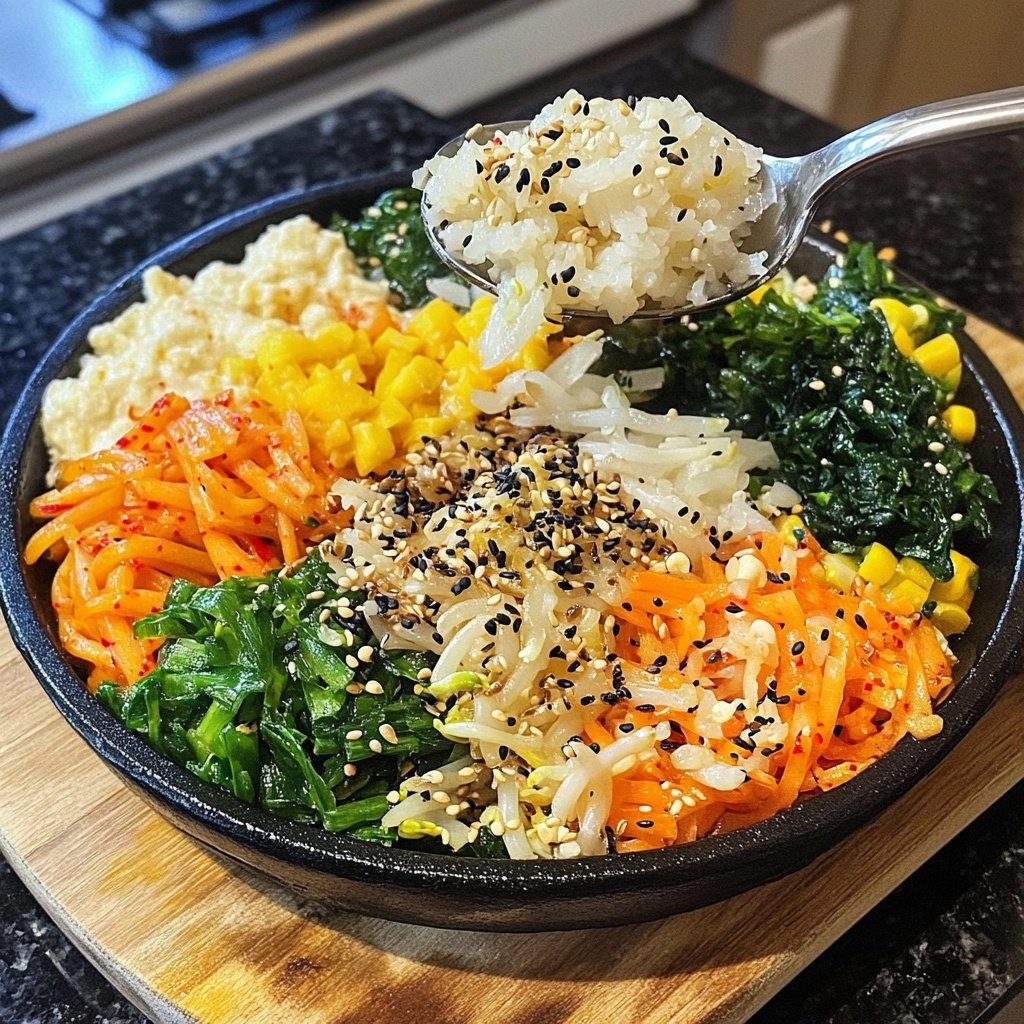
Korean Bibimbap
Created by: Miranda Keats
Recipe Type: Traditional Cooking
Skill Level: Intermediate
Final Quantity: 4 servings
What You'll Need
For the Bibimbap
- 2 cups cooked white rice
- 1 cup spinach, blanched and squeezed dry
- 1 cup bean sprouts, blanched
- 1 carrot, julienned
- 1 zucchini, julienned
- 1 cup mushrooms, sliced
- 1/2 pound ground beef
- 4 eggs
- 2 tablespoons sesame oil
- Gochujang (Korean chili paste) to taste
- Sesame seeds for garnish
- Green onions, sliced for garnish
How-To Steps
Cook the white rice according to package instructions. Set aside and keep warm.
In a skillet, heat sesame oil over medium heat. Sauté the carrots and zucchini until tender, then add mushrooms. Season with salt and cook until all vegetables are cooked through. Set aside.
In the same skillet, add the ground beef and cook until browned. Season with salt and pepper to taste. Drain excess fat and set aside.
Fry the eggs sunny-side up in a separate pan, keeping the yolks runny.
In a bowl, place a portion of rice and arrange the cooked vegetables, beef, and a fried egg on top. Drizzle with gochujang and sprinkle with sesame seeds and green onions.
Extra Tips
- For a vegetarian version, substitute the ground beef with tofu or additional vegetables.
Nutritional Breakdown (Per Serving)
- Calories: 500 kcal
- Total Fat: 20g
- Saturated Fat: 3g
- Cholesterol: 210mg
- Sodium: 600mg
- Total Carbohydrates: 65g
- Dietary Fiber: 5g
- Sugars: 3g
- Protein: 20g